Loading...
Impressionism
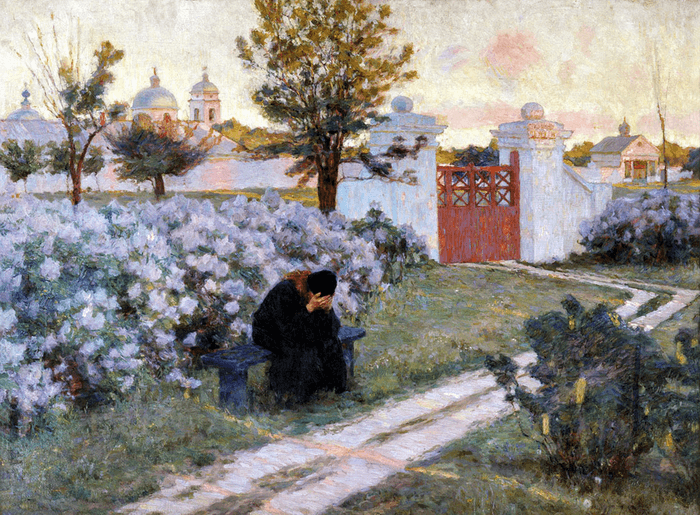
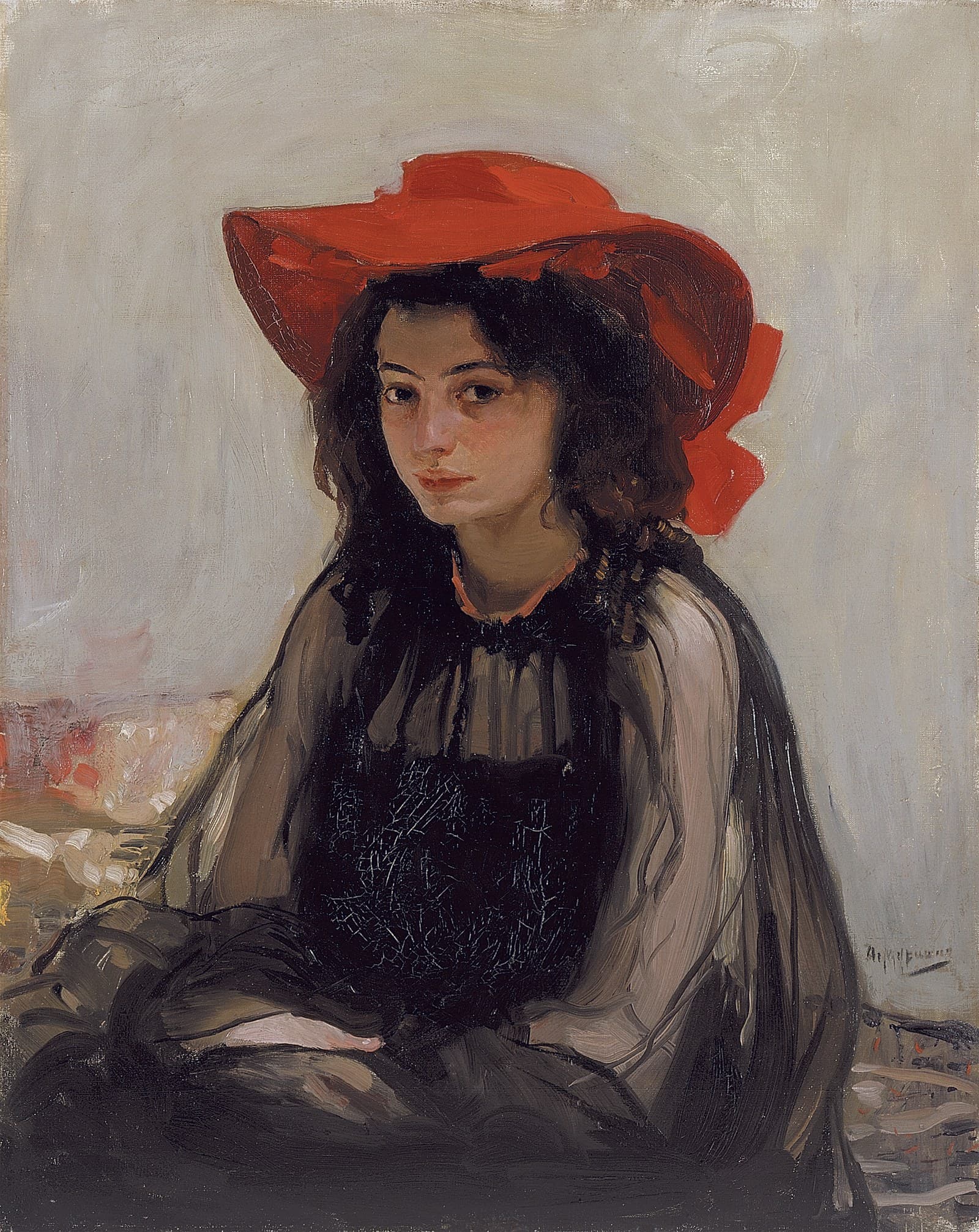
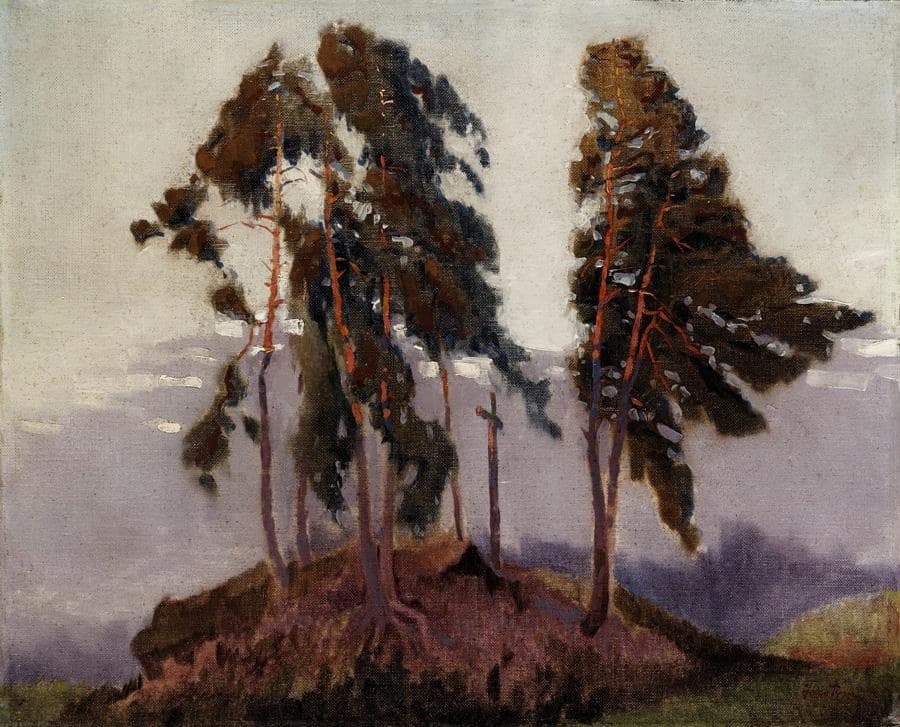
Impressionism was a 19th-century French art movement (1870s-1880s) that revolutionized Western art by capturing fleeting moments and the shifting effects of light using visible brushstrokes, open composition, and vibrant colors. Focusing on modern life and landscapes, key artists included Claude Monet, Pierre-Auguste Renoir, Camille Pissarro, and Berthe Morisot. Usage Examples & Characteristics: Plein Air Painting: Painting outdoors to capture natural light, such as Monet’s studies of Rouen Cathedral or haystacks in varying weather conditions. Visible Brushwork: Thick, rapid, or broken brushstrokes intended to convey a sense of motion and the ephemeral nature of a scene. Everyday Subjects: Depicting leisure activities, urban life in Paris, or landscapes rather than historical or mythological scenes. Unusual Visual Angles: Inspired by photography, artists like Degas used candid-style, unconventional framing of subjects, such as dancers or laundresses. "Impressionist Music": A similar approach in music and dance, focusing on mood and atmosphere over rigid structure, with artists like Claude Debussy and Maurice Ravel.
Artists of the Movement
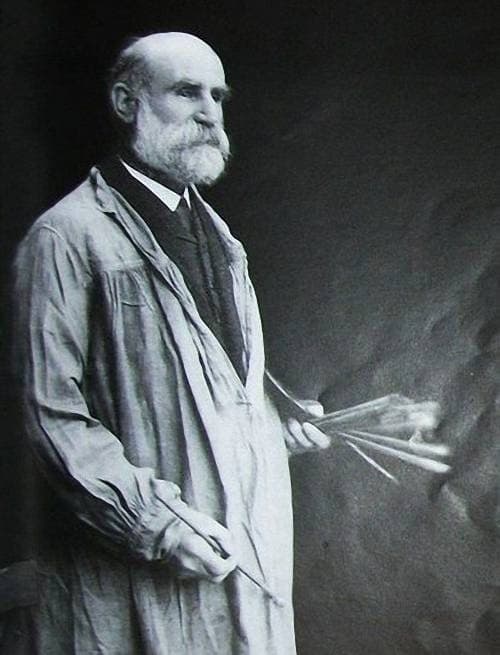
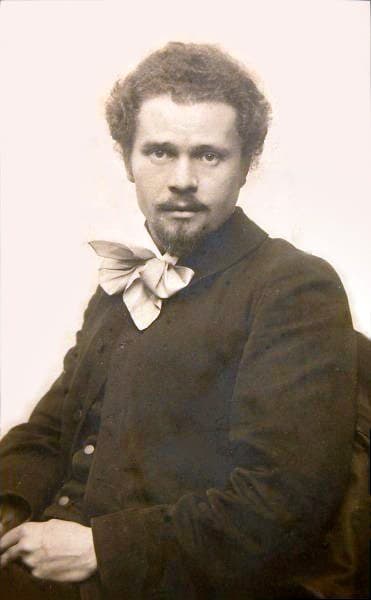
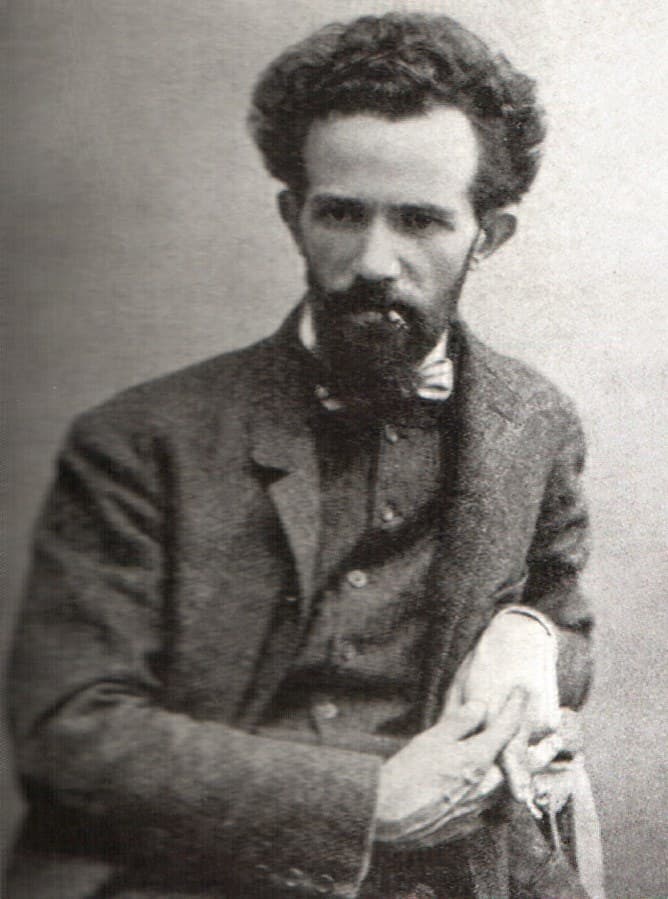
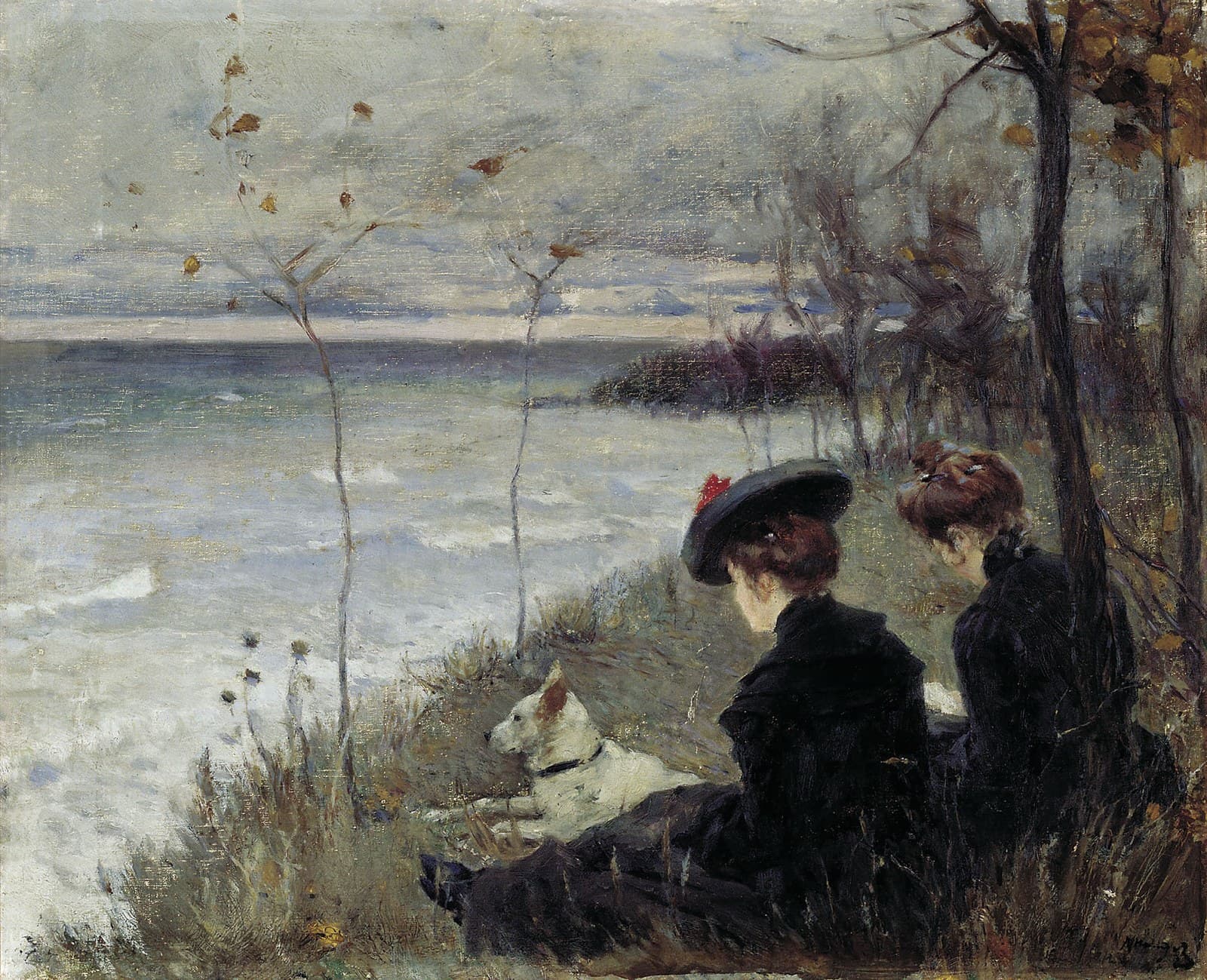
Kyriak Kostandi
1852–1921
Greek-Ukrainian leader of the Odesa school; president of the Society of South Russian Artists and director of the Odesa City Museum; admired for luminous handling of sunlight.
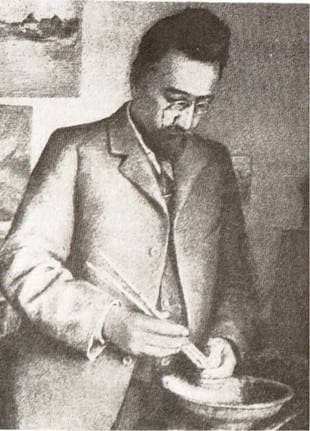
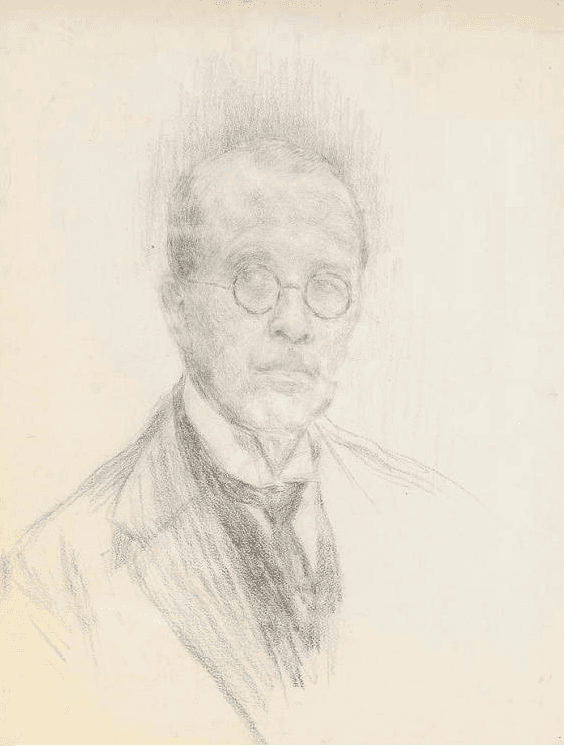
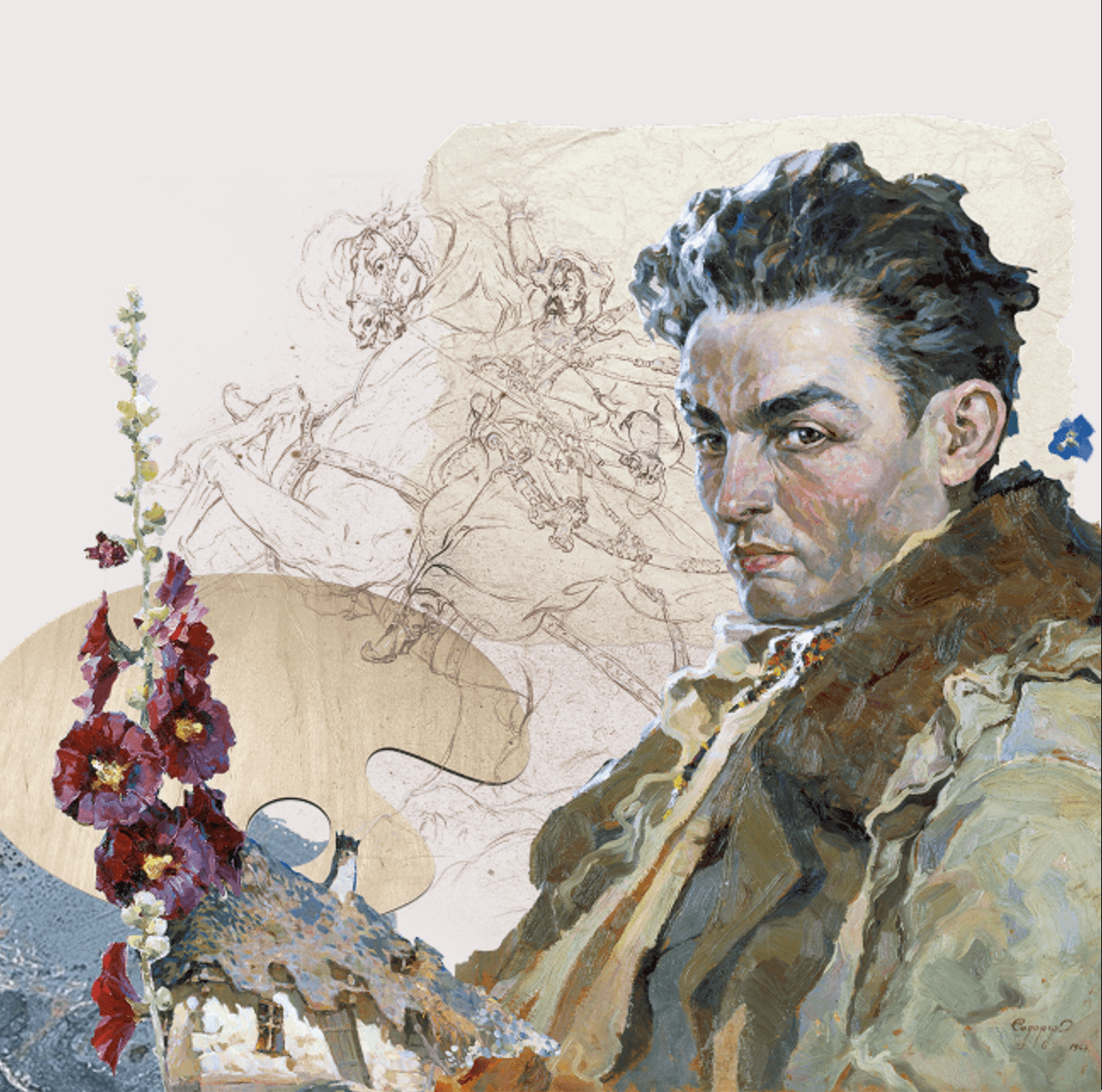
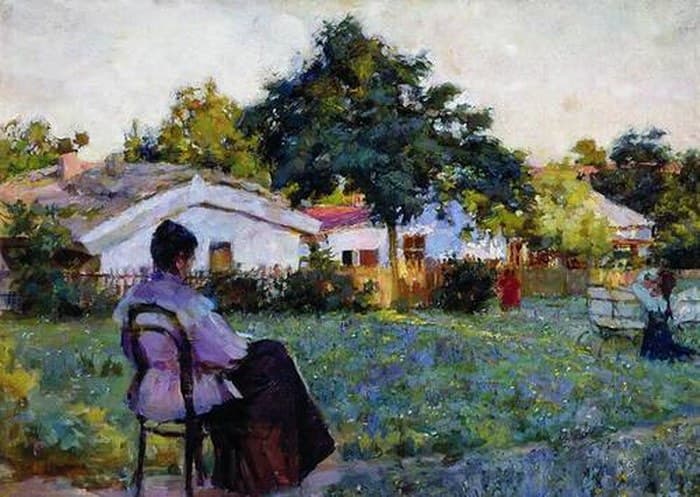
Petro Levchenko
1856–1917
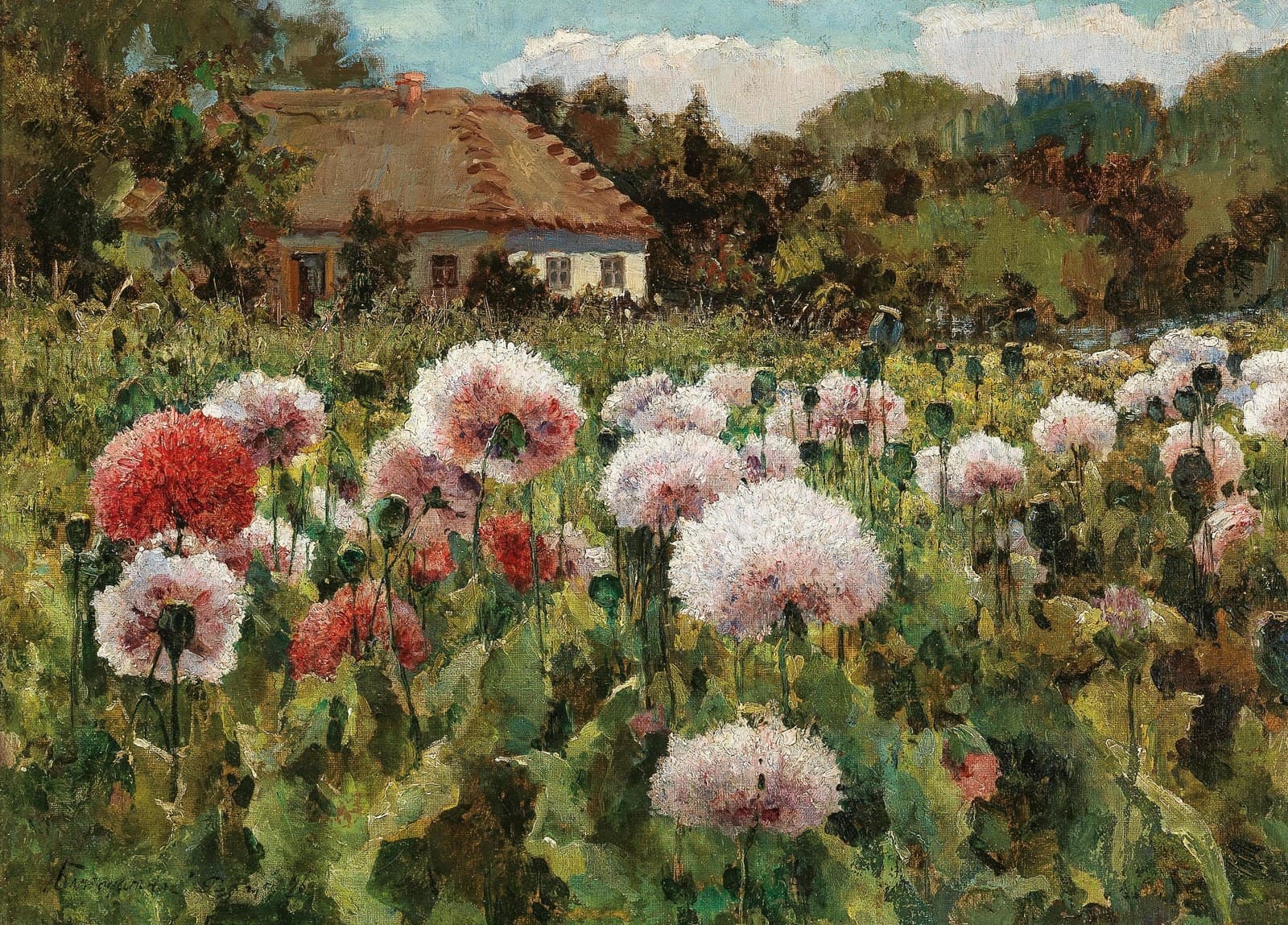
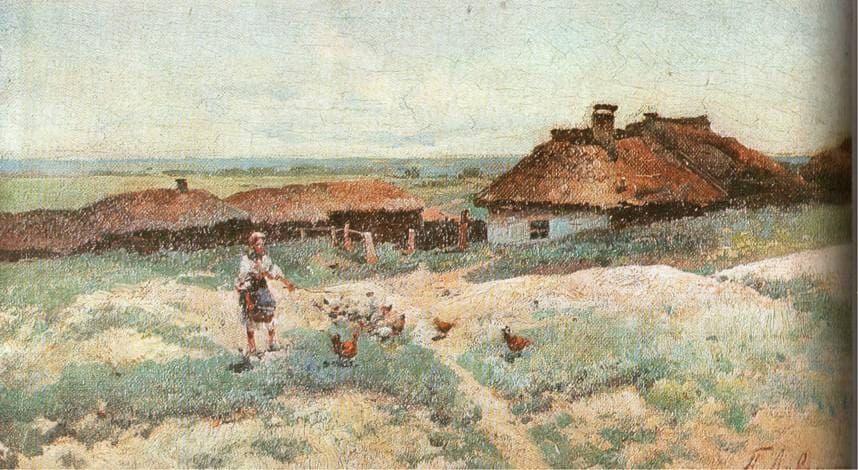
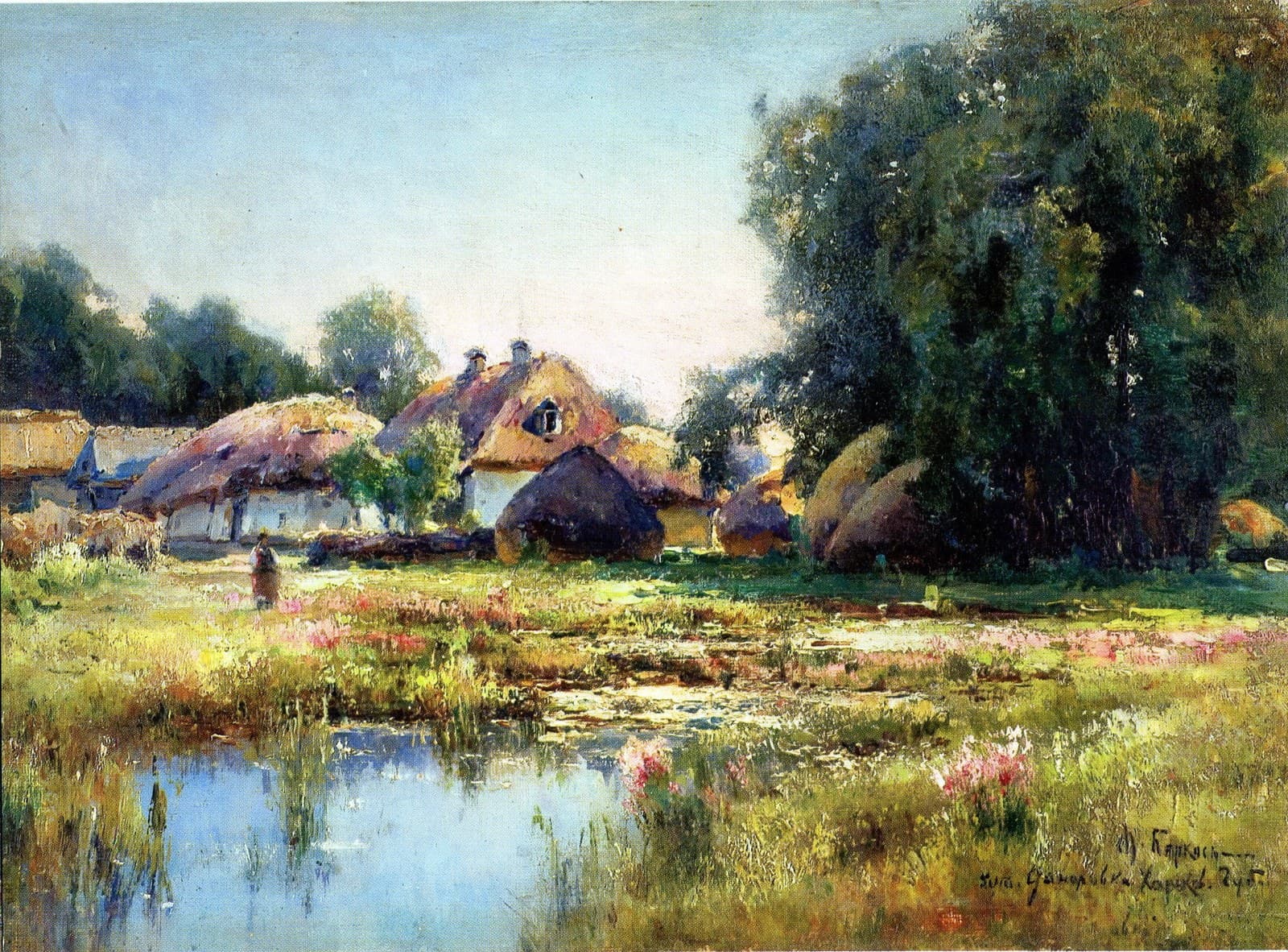
Kharkiv landscape painter of intimate, lyrical Ukrainian villages and courtyards in increasingly impressionist colour; ~800 landscapes.
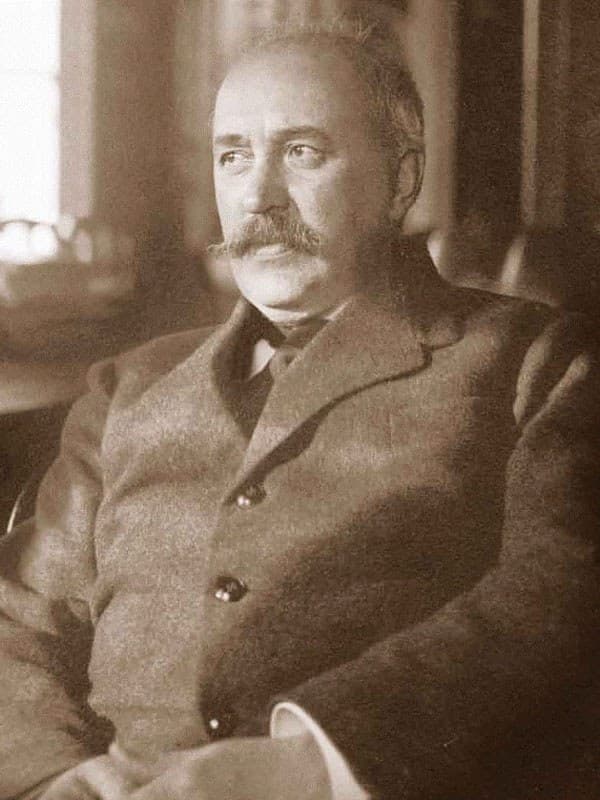
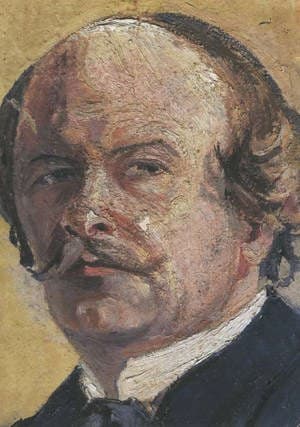
Mykhailo Berkos
1861–1919
A Ukrainian landscape painter trained in Odesa and at the Imperial Academy, who settled near Kharkiv painting impressionist-influenced Ukrainian landscapes and helped found the Kharkiv Art College.