Loading...
Modernism
Modernism was a radical, early-to-mid-20th-century cultural movement that broke with traditional artistic, literary, and social forms to align with a rapidly industrializing world. Characterized by experimentation, abstraction, and individualism, it sought new modes of expression to address themes of alienation and social change following World War I. Rejection of Tradition: Modernists rejected Victorian morality, academic art, and realistic depictions of subjects, seeking to "make it new". Experimentation: A shift towards abstraction in art (e.g., Cubism) and new techniques in literature, such as stream of consciousness (e.g., Virginia Woolf, James Joyce). Key Themes: Focused on subjectivity, alienation, the fragmentation of reality, and the quest for new meaning. Architecture & Design: Marked by minimalism, functionalism, and the use of industrial materials, famously summarized by Le Corbusier’s "a building is a machine for living in". Time Period: Roughly 1890s–1960s, emerging in Europe and America as a response to urbanization and technological advances.
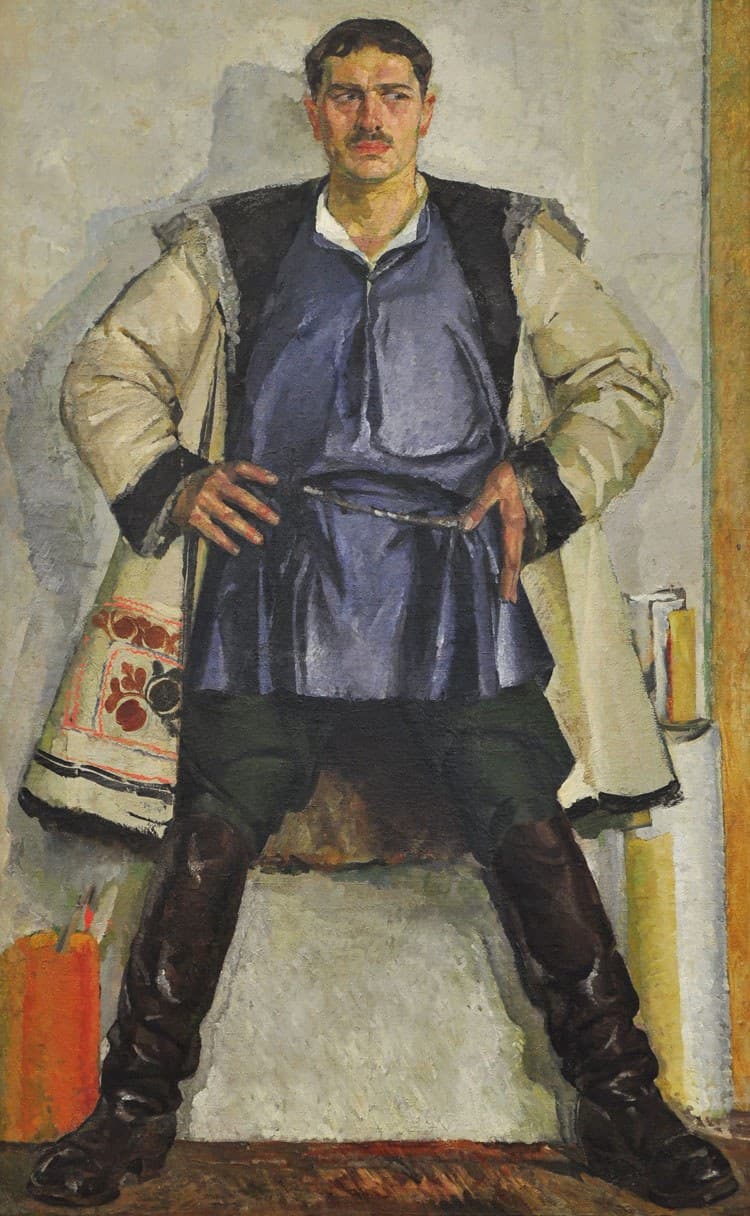
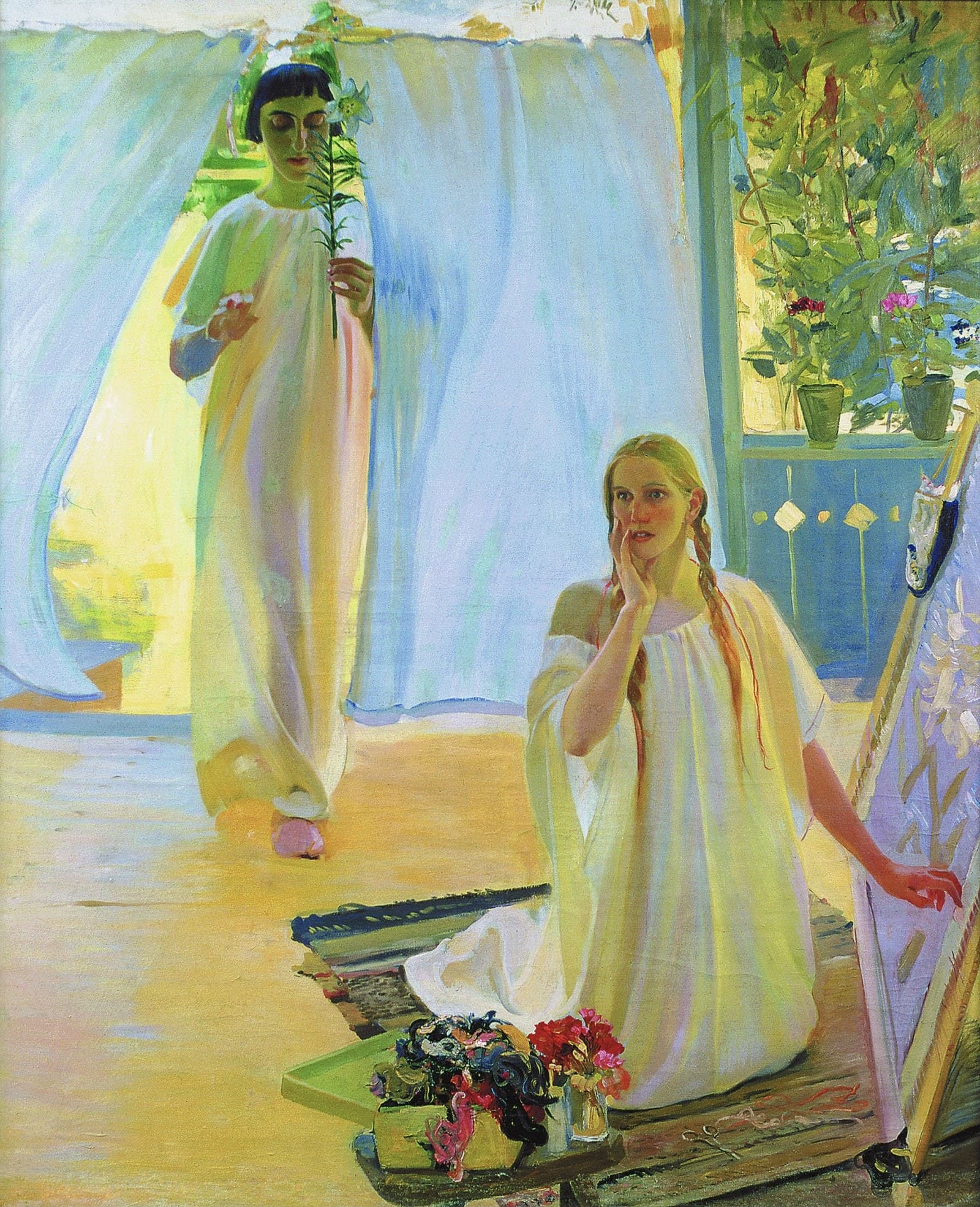
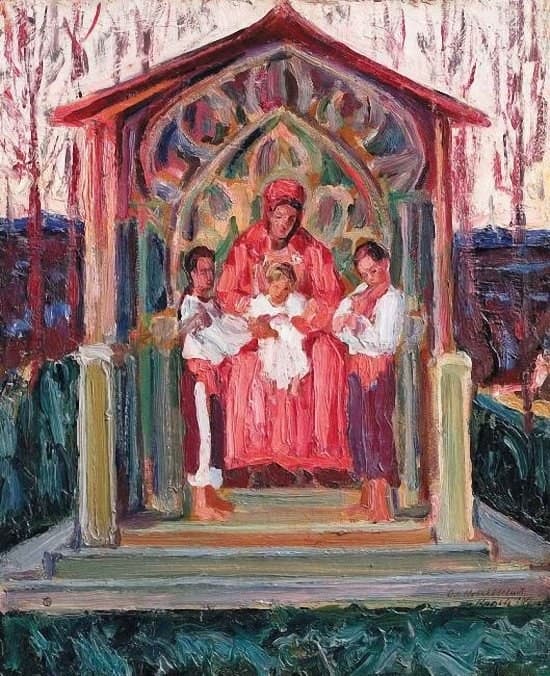
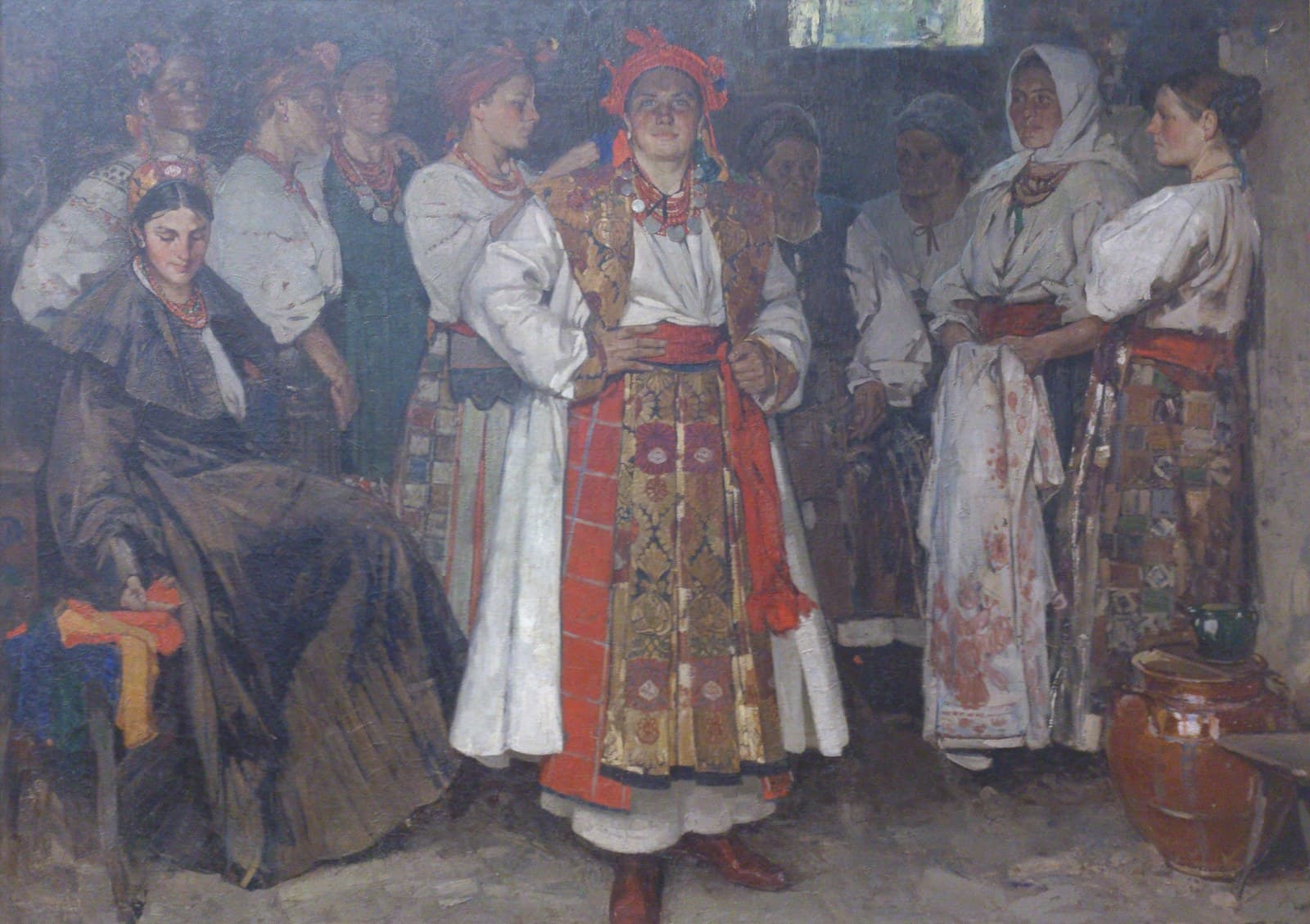
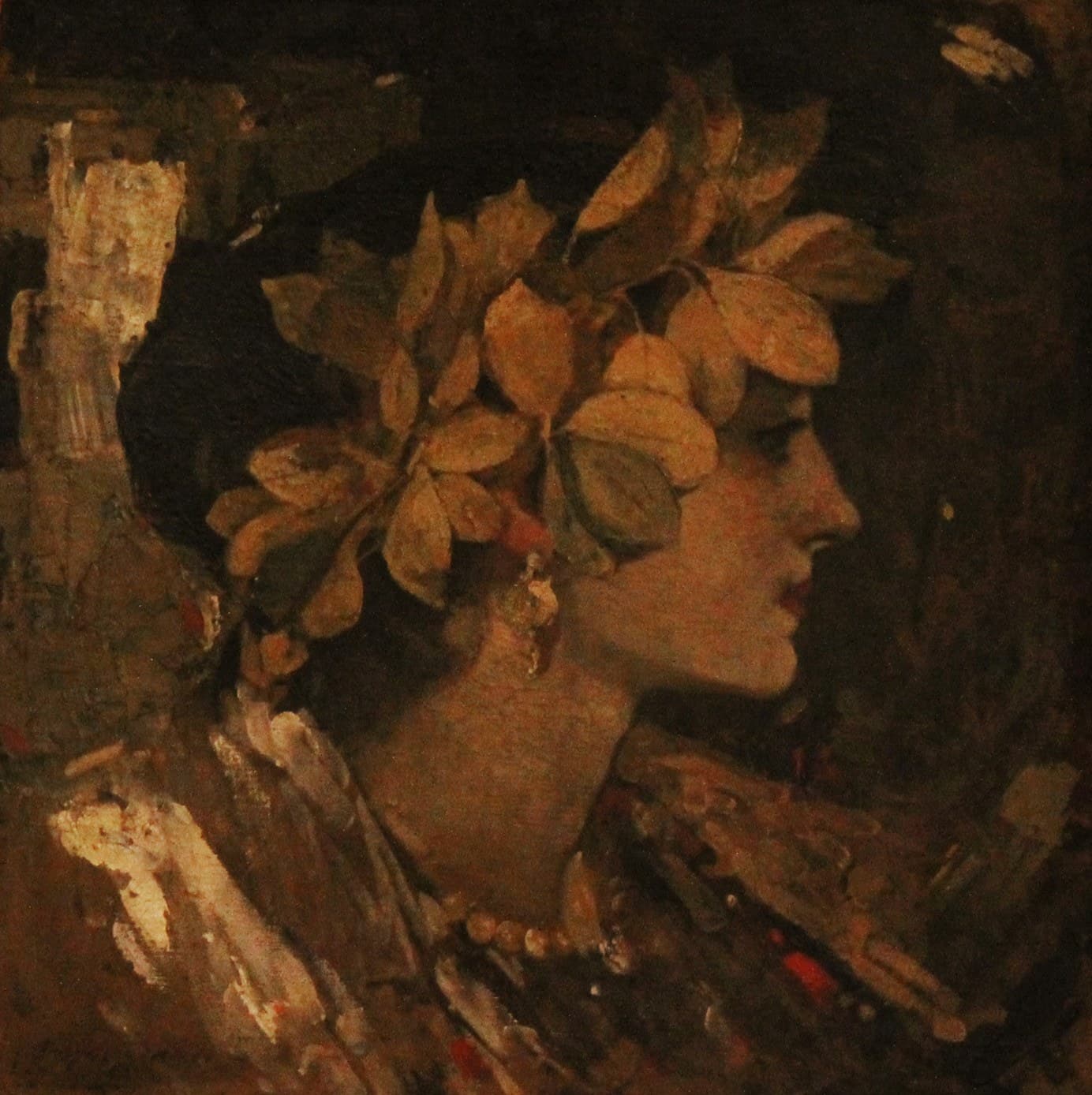
Artists of the Movement
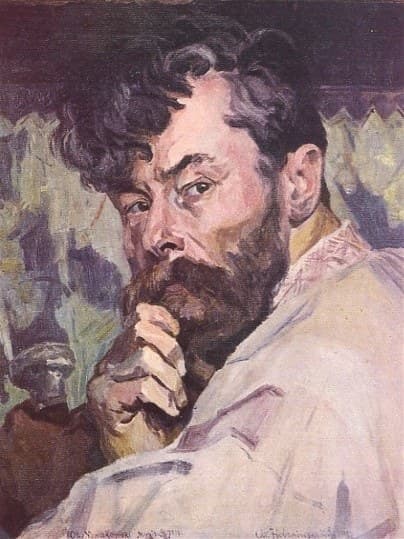
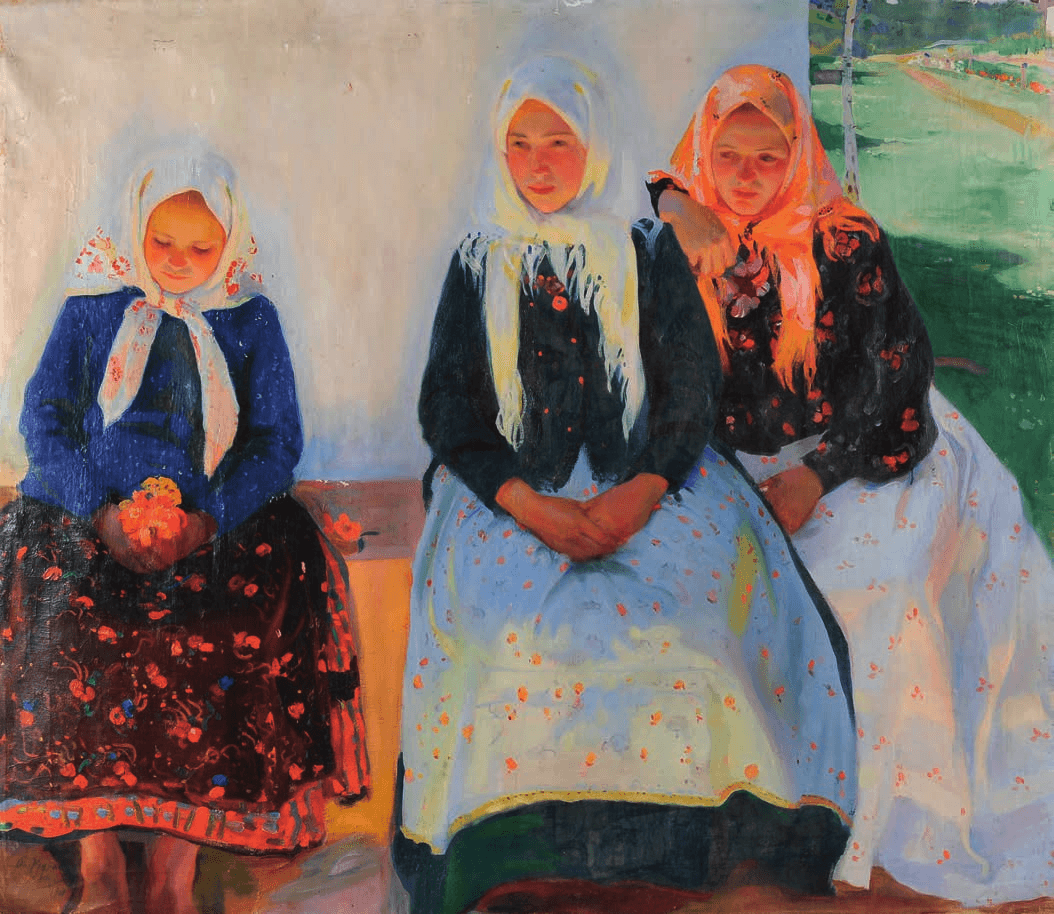
Oleksa Novakivskyi
1872–1935
Evolved from Impressionism through Symbolism to personal Expressionism; under Sheptytsky's patronage founded an influential Lviv art school (1923).
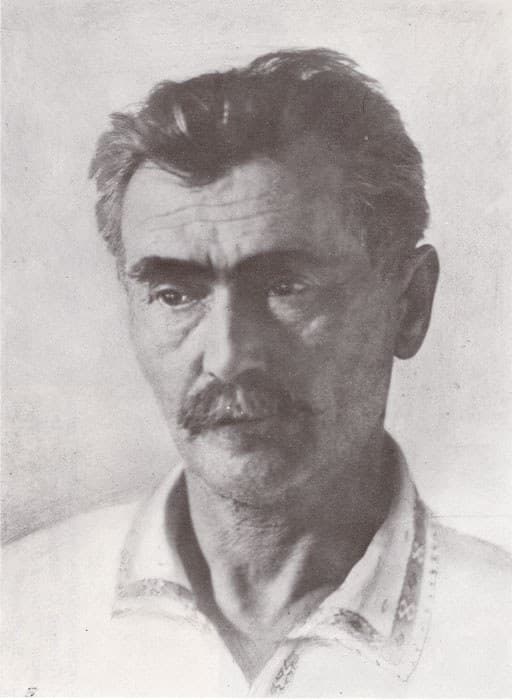
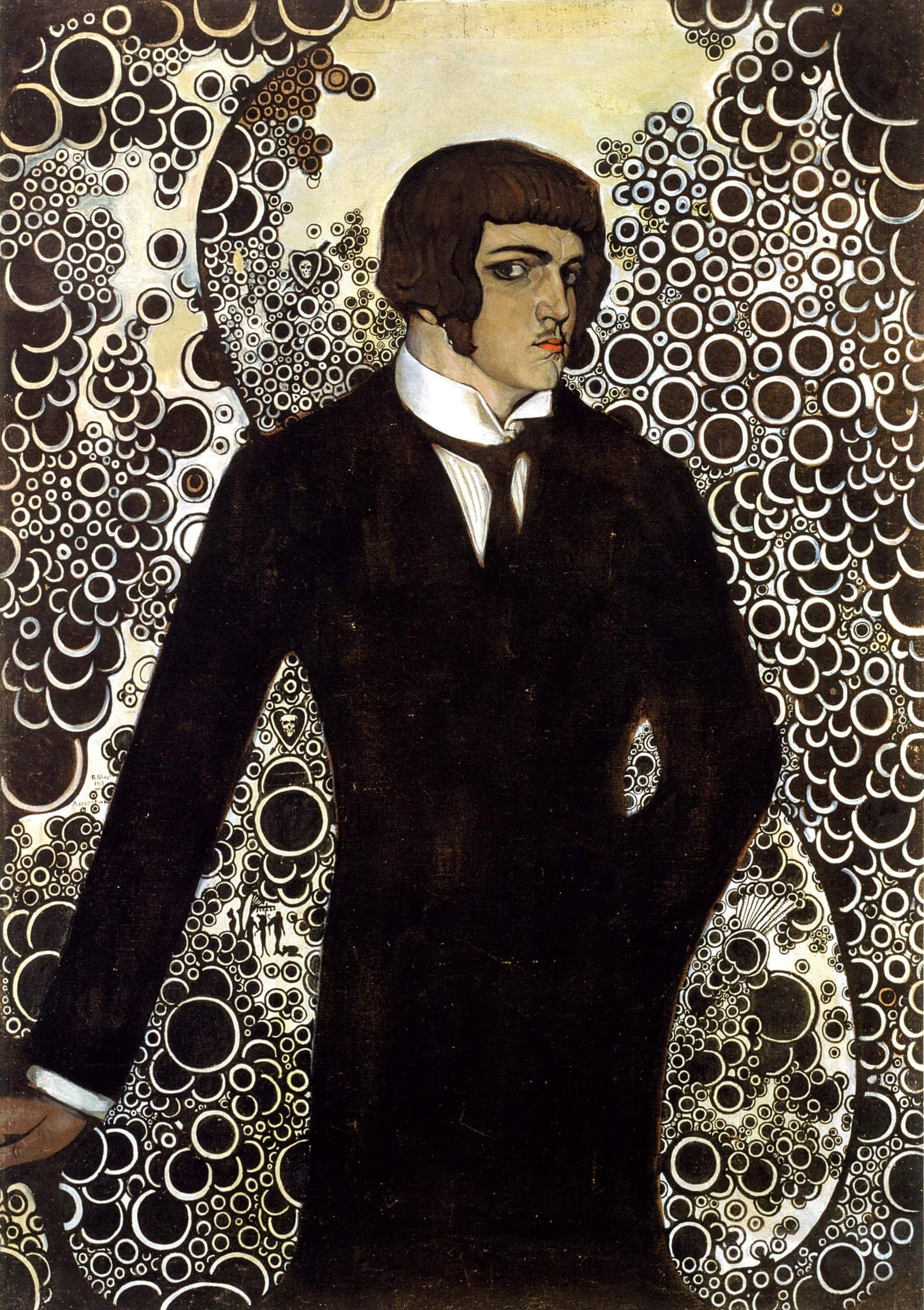
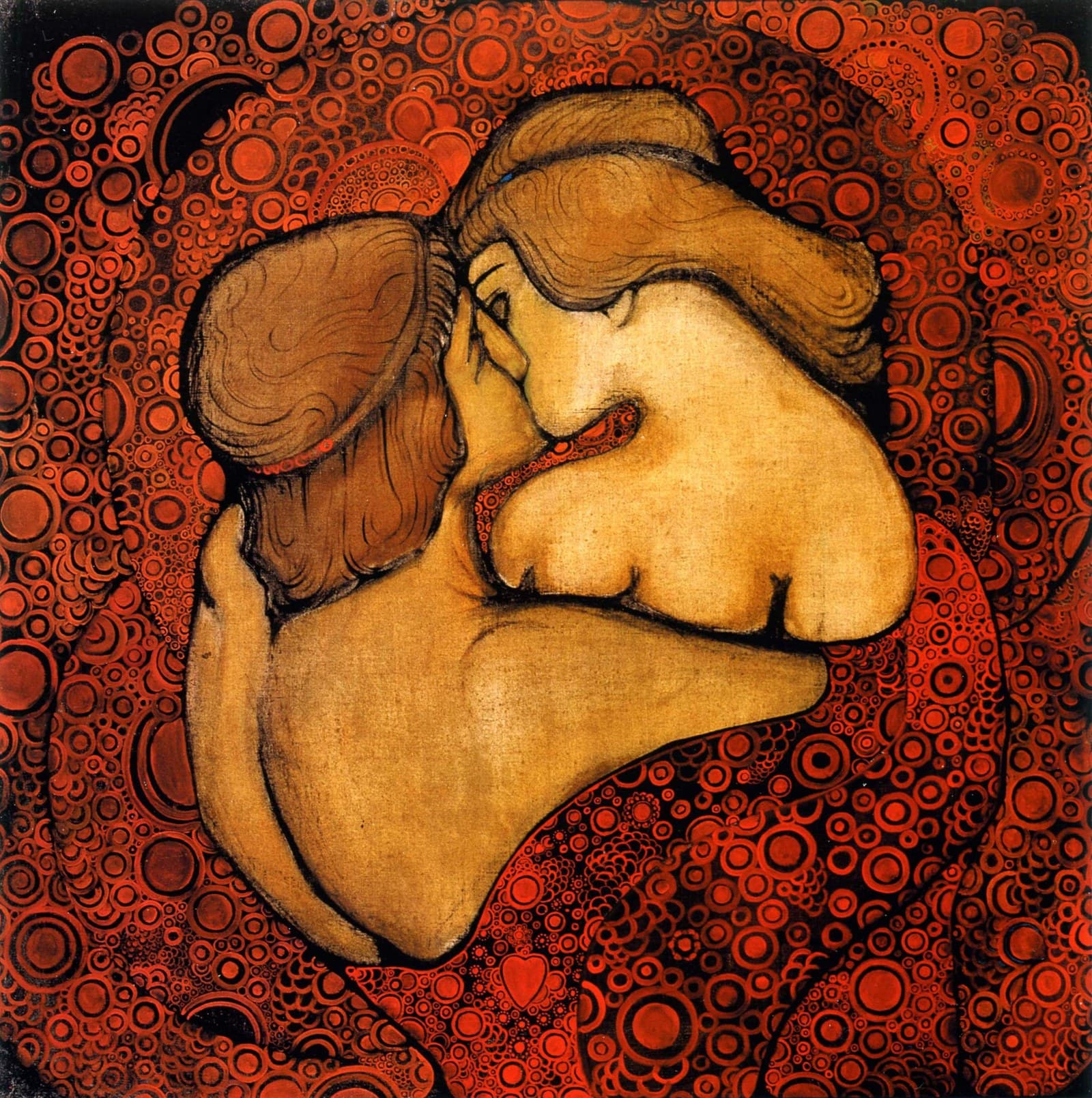
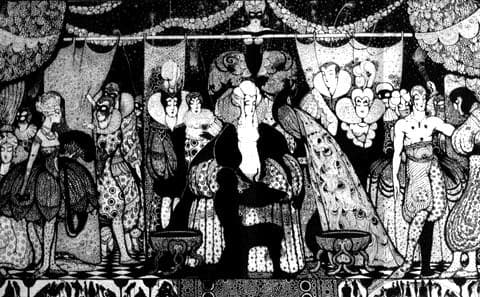
Vasyl Krychevsky
1873–1952
Pioneering painter, architect and graphic artist; a founder of Ukrainian Art Nouveau; designed the trident state emblem and banknotes of the UNR (1918); emigrated, died in Venezuela.
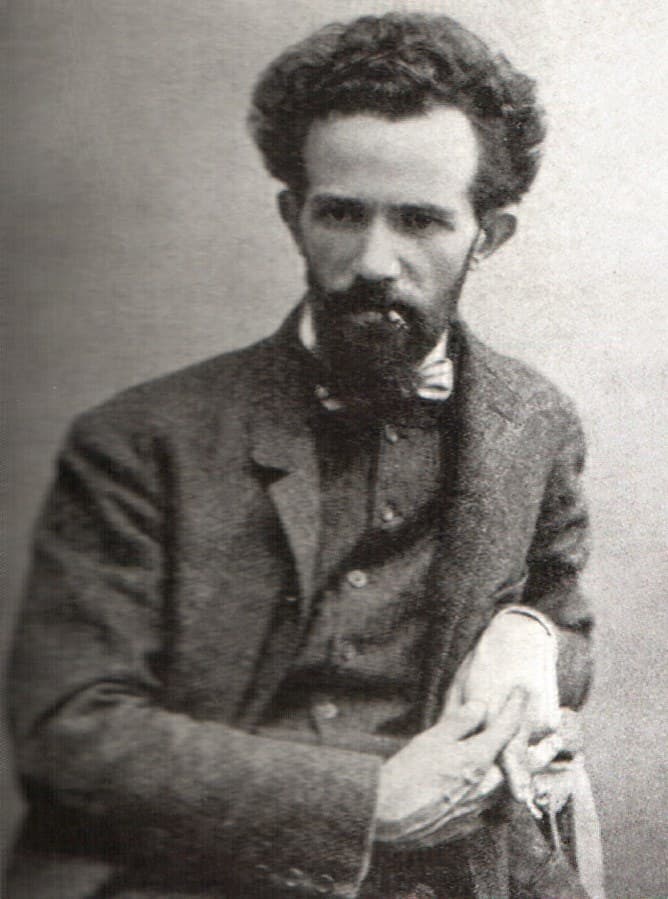
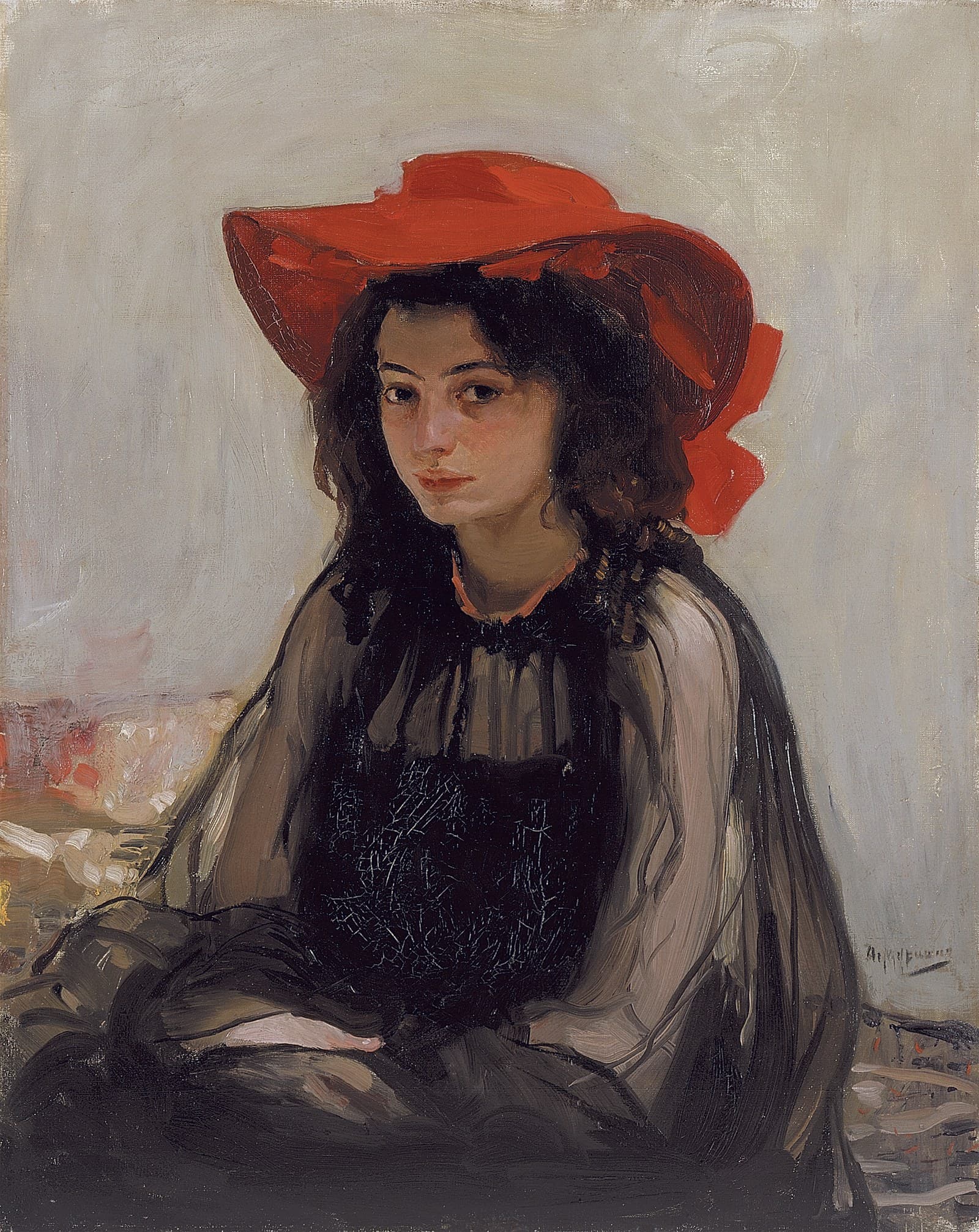
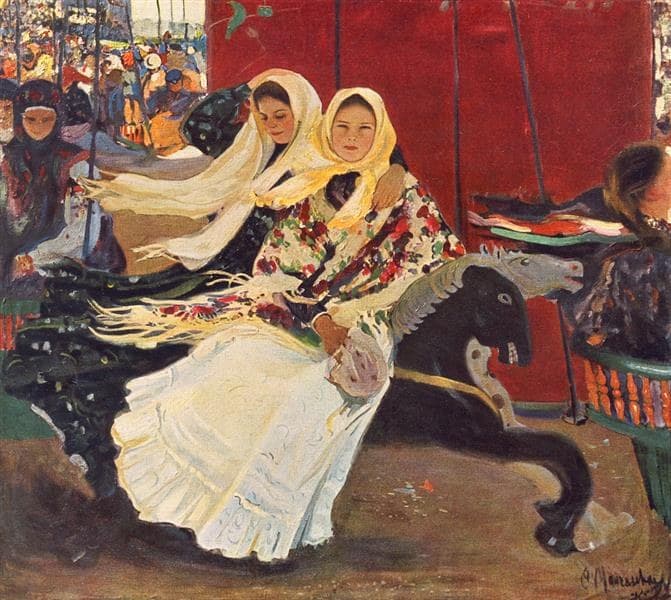
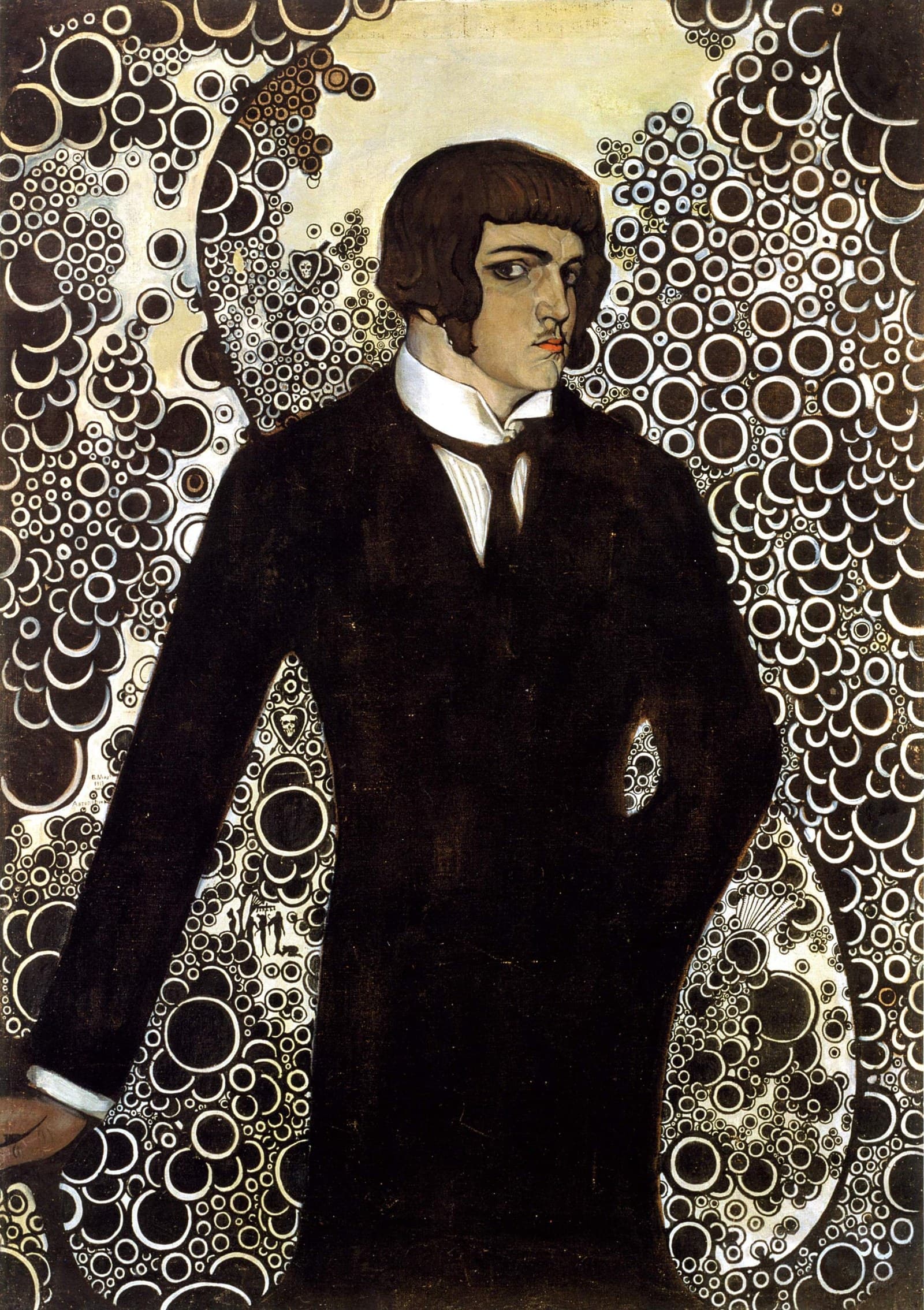
Oleksandr Murashko
1875–1919
Often called the most important Ukrainian artist of the turn of the century; trained under Repin and Ažbe; 'Carousel' won gold at Munich 1909; co-founded the Ukrainian State Academy of Arts (1917); murdered in Kyiv 1919.