Loading...
Post-Impressionism
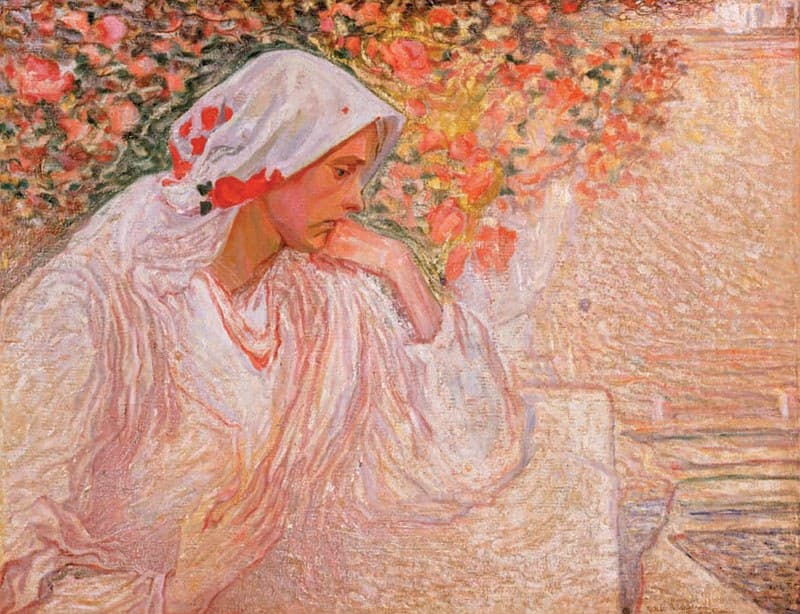
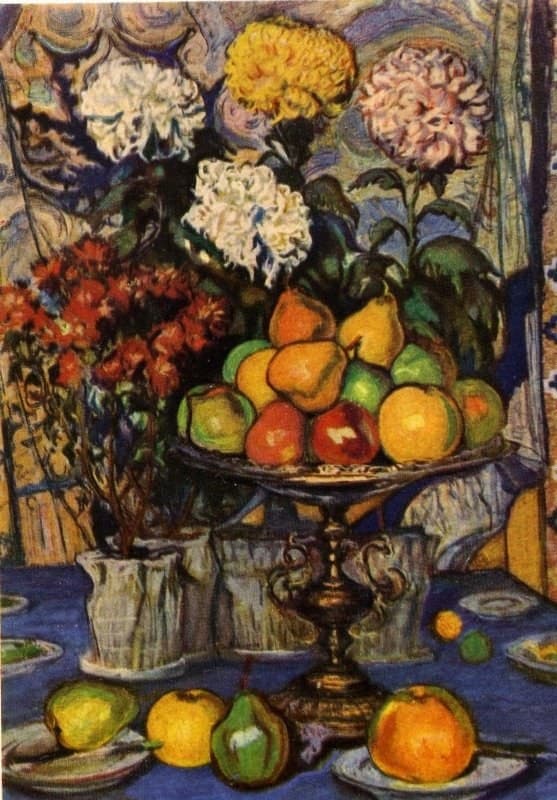
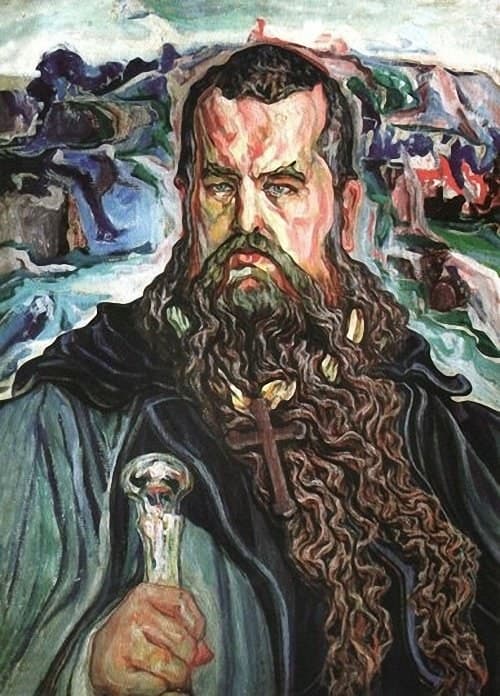
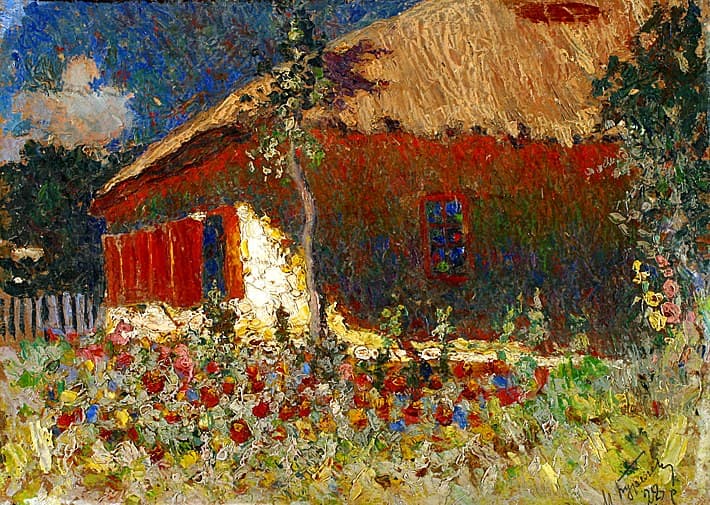
Post-Impressionism (c. 1886–1905) was a French art movement that reacted against the limitations of Impressionism, favoring emotional expression, symbolic content, and structural order over realistic light depiction. Key artists included Cézanne, Van Gogh, Gauguin, and Seurat, who used vivid, unnatural colors and thick paint application to create unique styles that paved the way for modern art. Key Characteristics Symbolic and Emotional Content: Pushing beyond the objective recording of nature to express subjective emotions and symbolic meaning. Structural Order: A move away from fleeting moments toward, as Paul Cézanne aimed, making of Impressionism "something solid and durable, like the art of the museums". Vivid, Non-Naturalistic Color: Using color for emotional or decorative impact rather than just representing natural light. Distinctive Techniques: Examples include Seurat's Pointillism (tiny, systematic dots of color) and Van Gogh's expressive, swirling brushwork.
Artists of the Movement
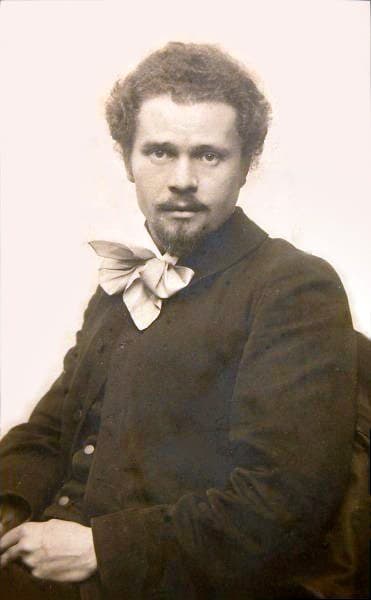
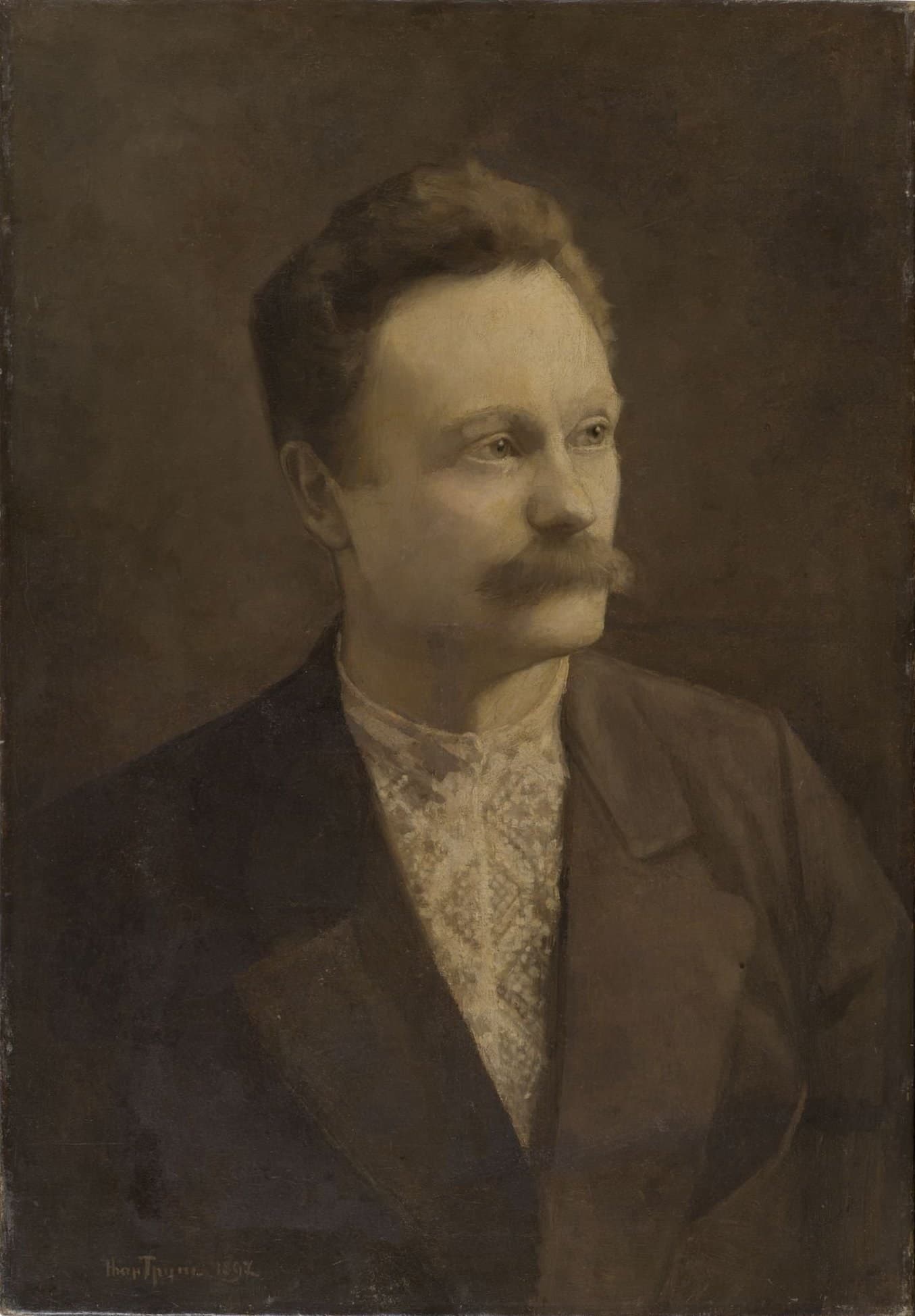
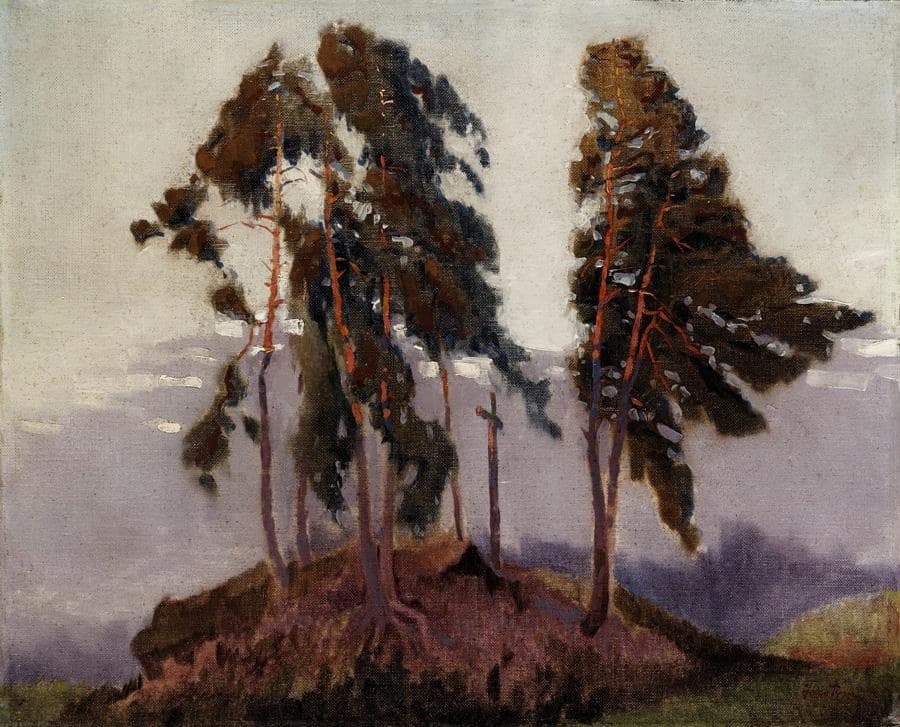
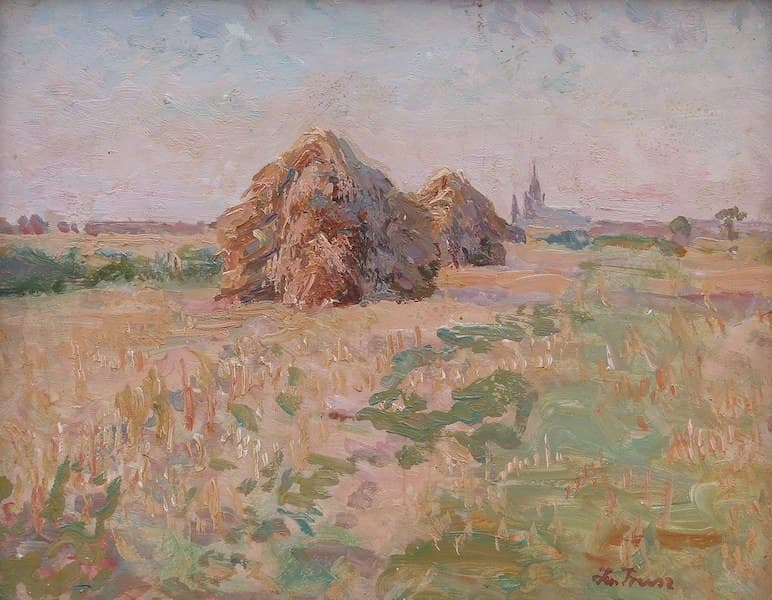
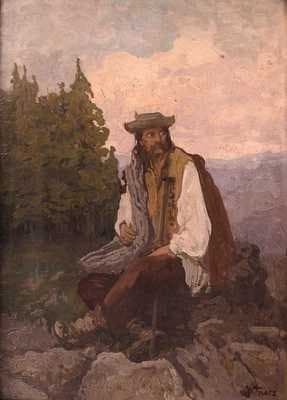
Ivan Trush
1869–1941
One of the foremost Ukrainian Impressionists; ~6,000 works; central to founding the Lviv National Museum; painted luminous landscapes and portraits of Ukrainian cultural figures.
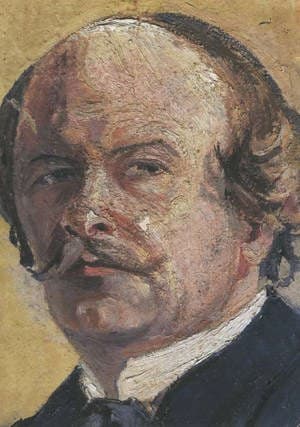
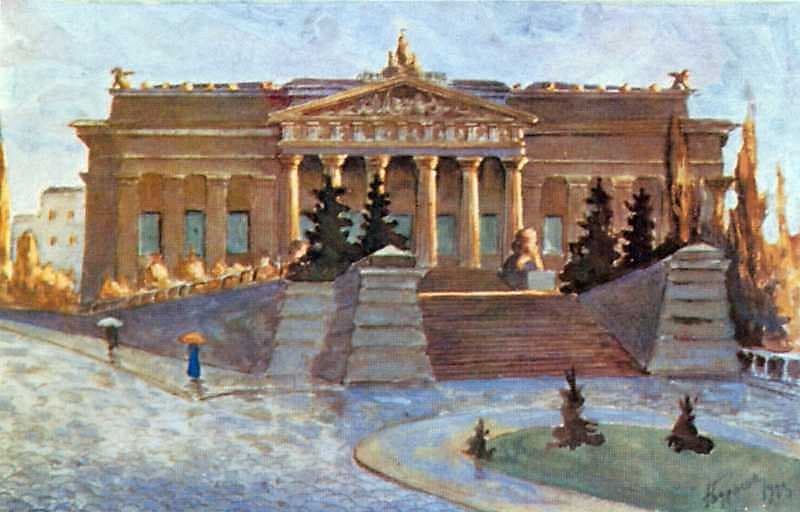
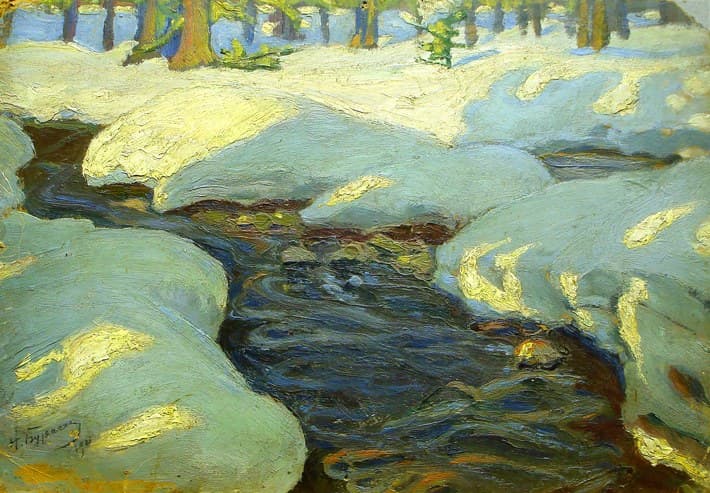
Mykola Burachek
1871–1942
Virtuoso Impressionist landscape painter, theatre designer and writer; studied under Stanisławski and in Matisse's studio; taught in Kyiv and Kharkiv.
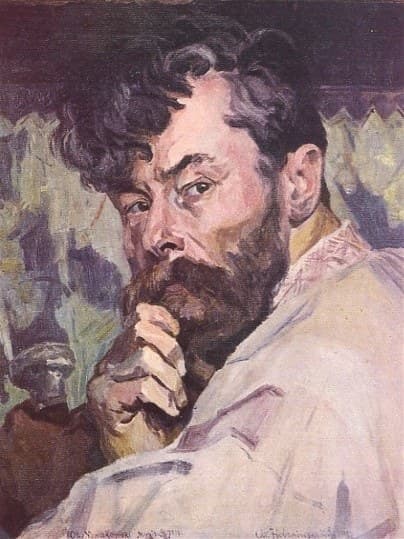
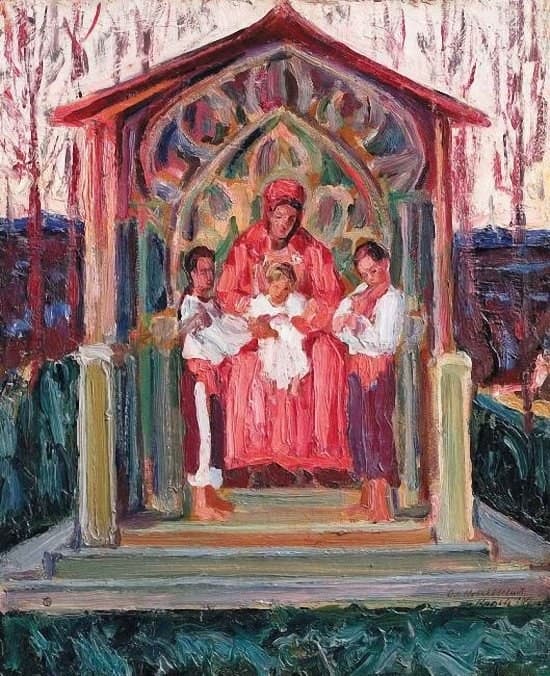
Oleksa Novakivskyi
1872–1935
Evolved from Impressionism through Symbolism to personal Expressionism; under Sheptytsky's patronage founded an influential Lviv art school (1923).