About the Artist
Serhii Svitoslavskyi
1857–1931
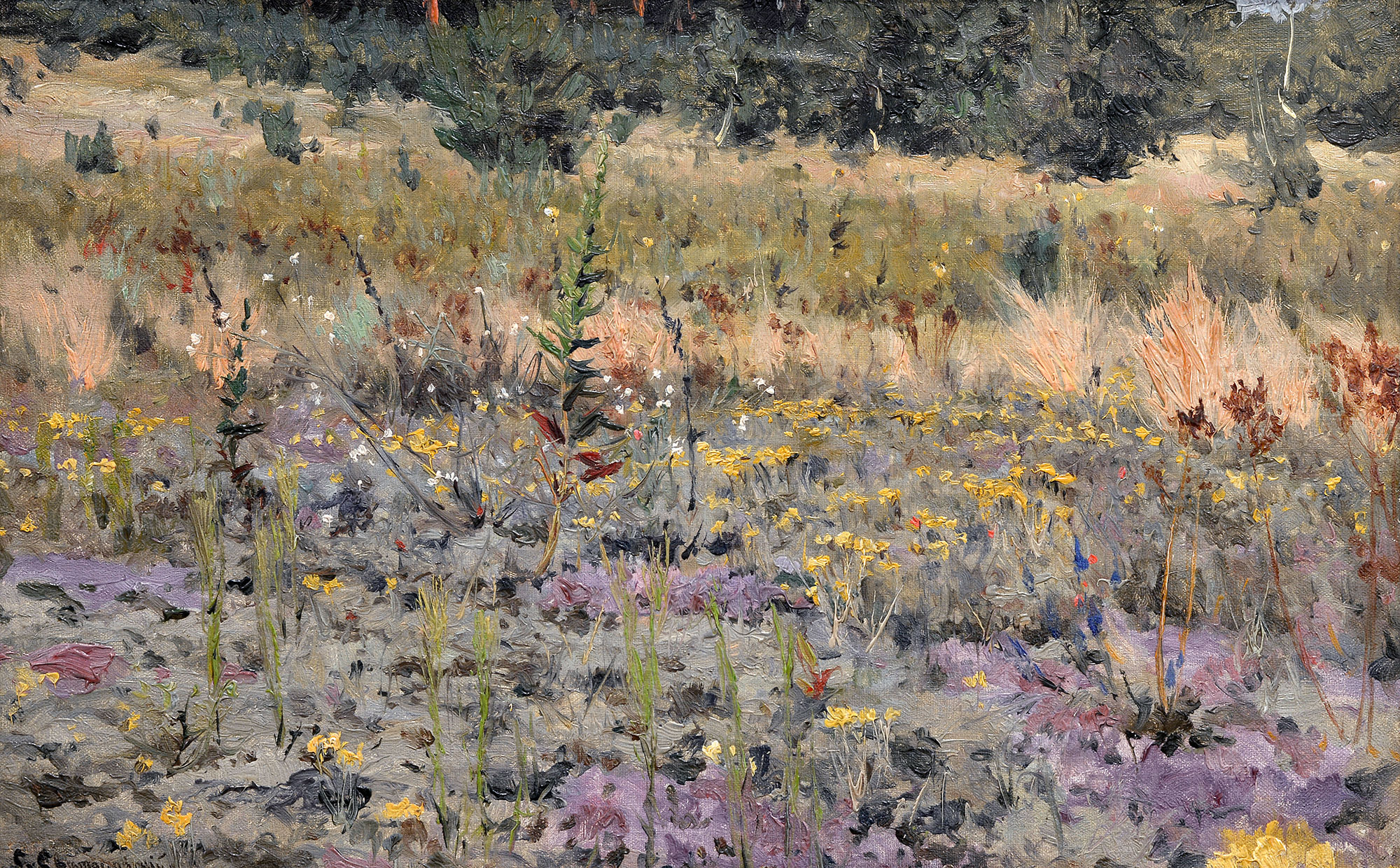
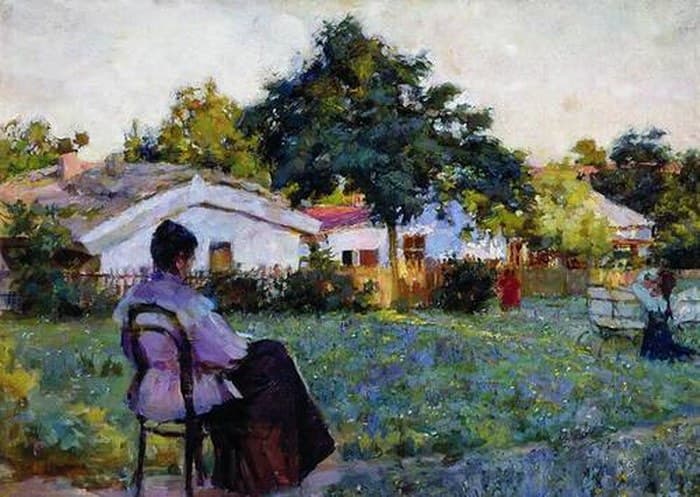
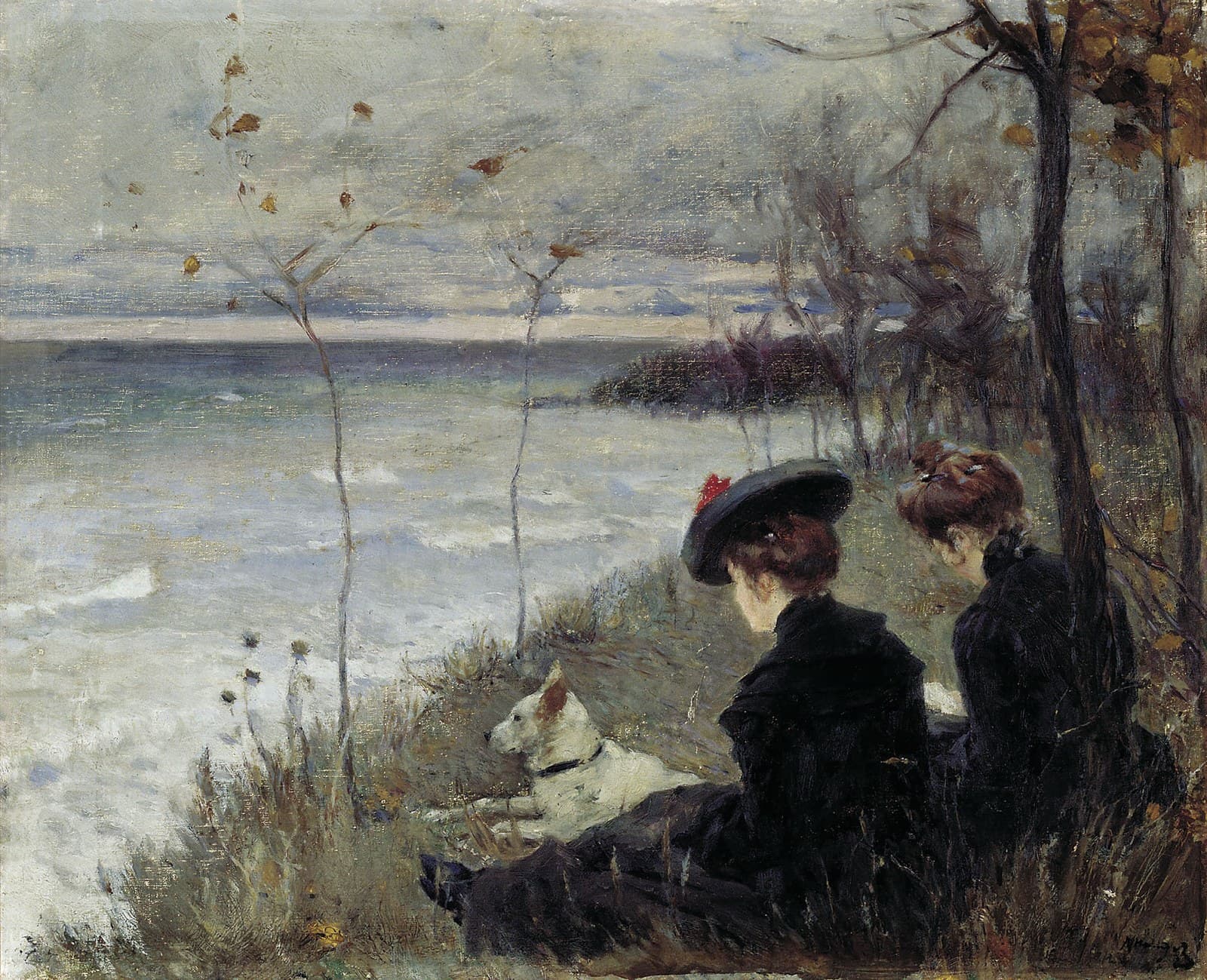
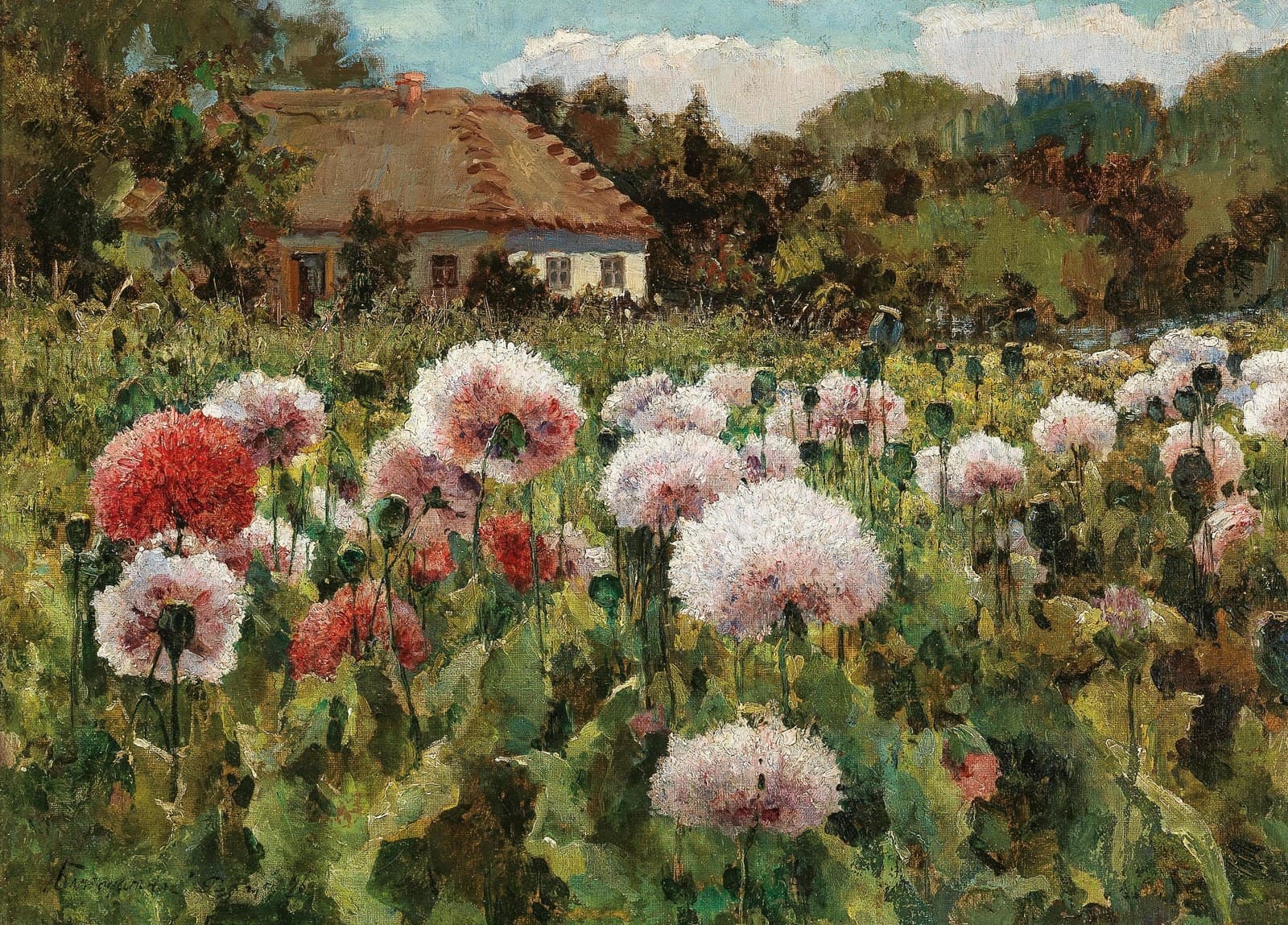
Serhii Ivanovych Svitoslavskyi (October 6, 1857, Kyiv – September 19, 1931, Kyiv) was an outstanding Ukrainian landscape painter and a master of color. He was a member of the Peredvizhniki Society from 1891 to 1900.
He was born into a noble family. In 1870, he enrolled in the Moscow School of Painting, Sculpture, and Architecture, where he studied until 1882 under Alexei Savrasov, Vasily Perov, Evgraf Sorokin, Ilarion Pryanishnikov, and Vasily Polenov. He began exhibiting in 1884 at exhibitions organized by the Society for Itinerant Art Exhibitions. In his later work, most of his paintings were dedicated to the nature of Ukraine, views of the Dnipro River, and Kyiv. He created landscapes featuring genre and animalistic scenes. In 1900, he was awarded a bronze medal at the World’s Fair in Paris for his painting “The Courtyard.”
View artist profile →Movement
Impressionism
Impressionism was a 19th-century French art movement (1870s-1880s) that revolutionized Western art by capturing fleeting moments and the shifting effects of light using visible brushstrokes, open composition, and vibrant colors. Focusing on modern life and landscapes, key artists included Claude Monet, Pierre-Auguste Renoir, Camille Pissarro, and Berthe Morisot.
Usage Examples & Characteristics:
Plein Air Painting: Painting outdoors to capture natural light, such as Monet’s studies of Rouen Cathedral or haystacks in varying weather conditions.
Visible Brushwork: Thick, rapid, or broken brushstrokes intended to convey a sense of motion and the ephemeral nature of a scene.
Everyday Subjects: Depicting leisure activities, urban life in Paris, or landscapes rather than historical or mythological scenes.
Unusual Visual Angles: Inspired by photography, artists like Degas used candid-style, unconventional framing of subjects, such as dancers or laundresses.
"Impressionist Music": A similar approach in music and dance, focusing on mood and atmosphere over rigid structure, with artists like Claude Debussy and Maurice Ravel.
Explore movement →